
Los Angeles, California
Divorce and Custody Los Angeles
Divorce and Custody Attorneys in Los Angeles
Legal Services
Contact Us
Do you need immediate legal help? Our attorneys are available for a free consultation.
Today in the United States, one in two or three marriages ends in divorce, and many of these families have minor children. During the divorce process, parents often fail to realize the impact this has on their children. This difficult period can absorb parents in their own problems, emotions, or feelings, resentments, deceptions with spouses, new relationships, and even issues with alcohol, drugs, or mental health.
Despite these difficulties, parents remain the most important people in their children’s lives. Therefore, it is crucial that, regardless of circumstances or reasons, parents maintain their mental, physical, and spiritual well-being. When parents stop prioritizing their children’s well-being and focus on anger or pain, the consequences can be severe or devastating. In many situations, one parent may focus on harming the other, without considering that they are also affecting their children. This article emphasizes the importance of putting children first, always and at all times. A child cannot receive the proper help if their parents are not well.
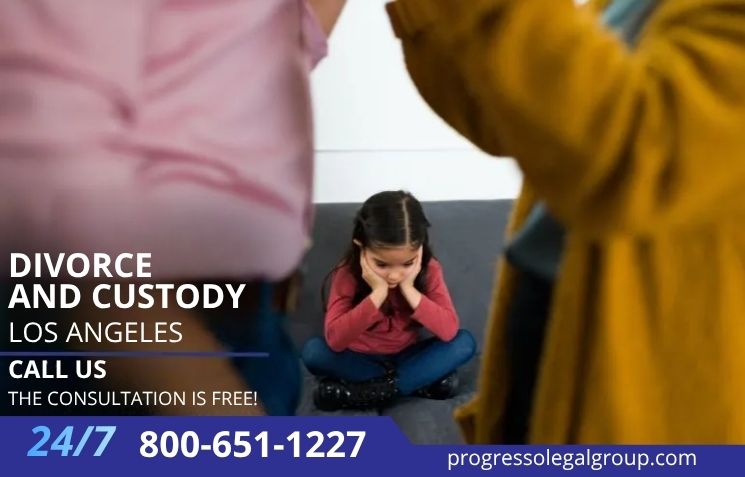
At Progresso Legal Group, we understand that divorce encompasses more than legal aspects; it is an emotional challenge that impacts the entire family, especially the children. We are dedicated to guiding and protecting our families, focusing on their legal and emotional well-being. We know that parents are fundamental to their children, and it is essential that they remain strong during this process. We strive to ensure that every decision is made with the best interest of the children in mind. It is not just a divorce; it is a path toward healing and family care. Contact us today to receive the comprehensive support your family needs!
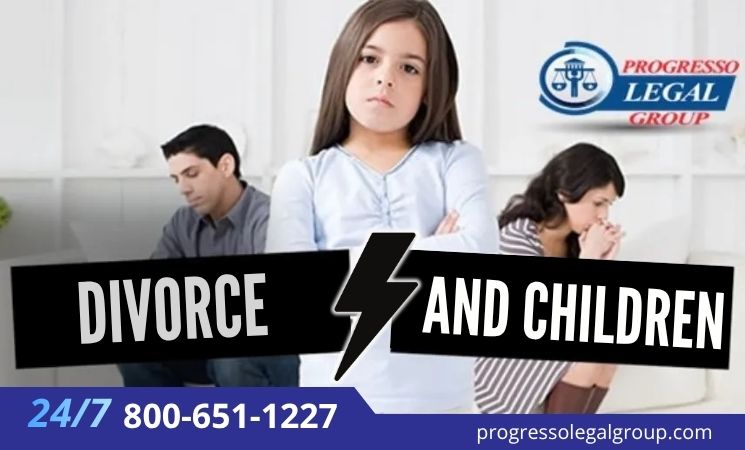
The Effects of Divorce on Children
Children may feel lost and scared due to the insecurity that divorce can generate. It is crucial that parents assure them that they are not to blame for the separation and that they will continue to be loved and supported. Lack of communication can lead children to feel guilty, increasing their stress and anxiety.
Parents should be especially attentive to signs of distress in their children. Young children may become more aggressive or withdrawn, while adolescents may experience deep sadness, suicidal thoughts, gender confusion, or turn to alcohol or drugs. These symptoms should not be ignored, as they can have lasting consequences on their self-esteem and future relationships.
To minimize the negative impact, it is essential for parents to cooperate and keep conflict to a minimum. Prolonged disputes and pressuring children to choose sides can be extremely harmful. Studies show that children develop better when parents handle their differences civilly and focus on their well-being.
In some cases, a child may reject contact with one parent, which can be painful and cause lasting emotional harm. It is vital for parents to take proactive measures to ensure their children’s well-being, including seeking professional help from a child and adolescent psychiatrist if necessary.
Let's Talk Clearly About Divorce
During a divorce, children may feel lost and scared, so it is crucial for parents to assure them that they are not responsible for the separation and that they will continue to be loved and supported. Lack of communication can lead children to feel guilty, increasing their stress and anxiety.
Signs of Distress in Children Due to Divorce
- Aggressiveness
- Withdrawal in young children
- Deep sadness
- Suicidal thoughts
- Use of alcohol or drugs in adolescents
To Minimize the Negative Impact:
- Cooperate and keep conflict to a minimum. Prolonged disputes and pressuring children to choose sides can be very harmful.
- Seek divorce therapy, offered by specialized psychologists, which can be very helpful in managing tension and facilitating a smoother transition for the entire family.
Therapy Can Also Help Address Other Emotional Challenges:
- Not accepting that the relationship has ended
- Feeling guilt over the breakup
- Hopelessness in this new stage
- Uncertainty and confusion
- Lack of trust
- Depression
- Anxiety about raising children alone
- Obsessive thoughts about getting the relationship back
It is vital that parents take proactive steps to ensure their children’s well-being, including seeking professional support. Finding the right support can make a big difference in how families face and overcome the challenges of divorce.
Avoid Blaming for the Divorce
It is crucial to be honest with your children without criticizing your partner or spouse. This can be especially difficult if there have been painful situations, such as infidelity, but with care, you can avoid the blame game.
Even if you are no longer together or considering divorce, present a united front. To the extent possible, try to agree on an explanation for your separation or divorce beforehand and stay consistent with that version.
Plan conversations with your children before changes in living arrangements occur. If possible, speak together to show a unified stance. Be moderate and respectful when explaining the reasons for the separation, avoiding negative comments about the other parent.
Some parents feel so hurt or overwhelmed by the divorce that they turn to their children for comfort or guidance, which increases the pressure and stress children are already experiencing. Divorce can be misunderstood by children unless parents clearly explain what is happening, how they are involved or not involved, and what will happen to them.
- Don’t keep it a secret or wait until the last minute
- Talk to your child together, if possible
- Keep things simple and direct, without giving more information than the child asks for
- Tell them the divorce is not their fault
- Admit that this will be sad and upsetting for everyone
- Reassure your child that both parents still love them and will always be their parents
Do not discuss the other parent’s flaws or problems with the child
Signs of Distress in Children Due to Divorce
Parents should be attentive to signs of distress in their children. Young children may react to divorce by becoming more aggressive and disobedient or withdrawing. Older children may feel deep sadness and loss, which can affect their school performance and cause behavioral problems. In adolescence and adulthood, children of divorced parents may have difficulties in their own relationships and self-esteem.
Children do better if they know their mother and father will continue to be their parents and remain involved in their lives, even though the marriage is ending and the parents will not live together. Prolonged custody disputes or pressuring a child to “choose” a side can be especially harmful and add to the damage of divorce. Research shows children do better when parents minimize conflict and cooperate for the child’s benefit.
How You Can Help Your Children During the Divorce Process
- Inform Children About the Divorce Together
If possible, parents should talk to their children about the divorce together. This provides a sense of security and unity, even in the midst of separation. - Answer Children’s Questions Honestly
It is important to answer children’s questions honestly but avoid unnecessary details that might cause them more worry. - Reassure Children They Are Not to Blame
Children need to know the divorce is not their fault. This helps relieve any feelings of responsibility they might have. - Tell Children They Are Loved and Cared For
Make sure children know that both parents love them and will always care for them, regardless of the situation. - Include the Other Parent in School and Other Activities
It is vital to keep the other parent involved in the children’s lives, including attending school events and other important activities. - Be Consistent and Punctual with Pickups and Drop-offs
Consistency and punctuality in visitation schedules help maintain stability and trust for the children. - Develop a Viable Parenting Plan
A parenting plan that allows children access to both parents is crucial. This plan should be practical and respect everyone’s needs and schedules. - Avoid Canceling Plans with Children
Canceling plans can affect children’s sense of security and self-worth. Always try to keep your commitments. - Allow Children to Have a Loving Relationship with the Other Parent
It’s important that children feel free to love and enjoy a relationship with both parents without feeling guilty. - Avoid Putting Children in the Middle
Do not use children as messengers or put them in a position where they have to take sides. This can cause stress and confusion. - Do Not Seek Information About the Other Parent Through the Children
Avoid asking children about the other parent. This puts them in an uncomfortable position and can harm their relationship with both parents. - Avoid Discussing Child Support or Financial Matters in Front of Children
Financial and child support discussions should be kept away from children’s ears.
Do Not Speak Negatively About the Other Parent
Speaking poorly of the other parent in front of children can be very harmful to them and to their relationship with both parents.
When Should You Seek Help?
Signs of stress in children:
- Acting younger than their chronological age
- Showing fear of being separated from their parents
- Mood swings
- Sadness and depression
- Aggressive or manipulative behavior
- Struggling with feelings of guilt
- Problems sleeping or eating
- Changes in personality
- Academic and social difficulties
- Irrational fears and compulsive behaviors
Problems between parents during divorce processes:
- Using the legal system to hurt the other parent
- Speaking badly about the other parent
- Using children as messengers or spies
- High levels of conflict with children trying to stop fights
- Relying on children for emotional support and adult responsibilities at home
- Experiencing depression or anxiety
What Types of Help Are Available for Parents and Children During Divorce?
- Court-Connected Divorce Education Programs
These programs are recommended or required in over half of U.S. counties. Contact your local family court for more information. - School Programs for Children
Some school systems offer small groups during the day or after school, where children can learn coping strategies and understand they are not alone in their divorce experience. - Family Therapy
Available through public and private mental health centers and university family therapy centers. During separation and divorce, family members experience uncertainty and changes in roles and rules. Family therapists can help redefine relationships and address family members’ needs and responsibilities.
Frequently Asked Questions About the Impact of Divorce on the Family
What percentage of marriages in the United States end in divorce?
One in every two or three marriages ends in divorce in the United States.
What impact can divorce have on children in affected families?
Divorce can create feelings of loss and fear in children, affecting their emotional well-being.
How can parents unknowingly negatively affect their children during a divorce?
If parents focus on hurting each other or on their own problems, they may fail to consider the impact this has on their children.
What does Progresso Legal Group offer for families facing divorce?
Progresso Legal Group offers comprehensive support, including legal and emotional guidance for families.
What should parents do to minimize the negative impact of divorce on their children?
They should cooperate and keep conflict to a minimum, avoiding putting pressure on children to choose sides.
What signs of distress might young children show during a divorce?
Young children may become more aggressive or withdrawn.
How can parents manage their differences in a way that benefits their children during a divorce?
By handling their differences in a civil manner and focusing on the children’s well-being.
What can parents do if a child refuses contact with one of them?
They should take proactive steps, such as seeking professional help to ensure the child’s emotional well-being.
Why is it important to avoid criticizing the other spouse in front of the children?
Criticizing the other spouse can cause emotional harm to children and affect their relationship with both parents.
What should parents do when informing their children about the divorce?
They should talk to their children together, be honest, and avoid unnecessary details that may worry them.
What might teenagers experience during their parents’ divorce?
Teenagers may experience deep sadness, suicidal thoughts, gender confusion, or turn to alcohol or drugs.
What type of professional support can parents and children seek during a divorce?
They can seek family therapy, psychotherapy for both children and parents, and court-connected divorce education programs.
What effects can pressure to choose sides have on children during a divorce?
This pressure can be extremely harmful and add further damage to the divorce process.
How can parents demonstrate a unified approach during a divorce?
They can plan conversations with their children before changes in living arrangements and speak together to present a unified front.
Commitment to Children’s Well-Being
Parents’ ongoing commitment to their child’s well-being is vital. If a child shows signs of distress, seeking professional help can be crucial. Psychotherapy for children of divorce, as well as for parents, can be very helpful in managing stress and facilitating a smoother transition for the entire family.
Other Related Topics
Family Attorneys for Custody and Child Support
Immigration, Criminal Defense, and Family Attorneys
WE HAVE BEEN SERVING HISPANIC FAMILIES WITH THEIR LEGAL PROCESSES FOR MORE THAN 25 YEARS
Contact Our Attorneys
Criminal Defense | Immigration | Family