
Los Angeles, California
Domestic Violence and Restraining Orders
Accused of Domestic Violence or Violating a Restraining Order?
Legal Services
Contact Us
Do you need immediate legal help? Our attorneys are available for a free consultation.
Accused of Domestic Violence or Violating a Restraining Order?
If you are accused or currently facing charges of domestic violence in Los Angeles, California, or if you are a victim of abuse, you are facing serious consequences if you do not take action. This includes, but is not limited to, criminal charges, alcohol or drug classes, domestic violence and anger management classes, or many complications in family court proceedings, which could lead to losing custody of your children.
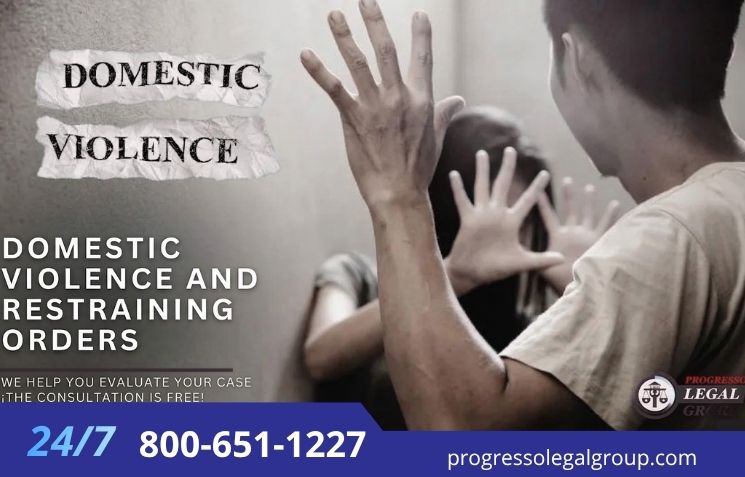
If you are in a domestic violence situation and do not report it, you may be considered negligent or accused of exposing children to risk, even if you are not the one committing the violence. If such events occur or there are allegations that they occur in the presence of children, child protective services or the Department of Child and Family Services may act and remove the children from your care. The police have a duty to report these incidents, which may result in actions to protect the children if you continue in a violent environment without reporting it. The causes of these circumstances can vary, from relationship conflicts to misunderstandings.
There are four types of restraining orders: for domestic violence, civil harassment, elder or dependent adult abuse, and workplace violence.
A restraining order may include personal conduct prohibitions, stay-away orders, and eviction orders. If issued, the court orders the restrained person not to engage in the described acts. Violating it may result in arrest.
That is why it is crucial to have the support of an experienced legal team. At Progresso Legal Group, we have over 25 years serving families in complex domestic violence cases, one family at a time. Our goal is to protect families, children, victims, and the accused, avoiding harmful cycles and seeking solutions in the United States.
Personal conduct orders in a restraining order prohibit attacking, stalking, or contacting the protected party, including social media contact. Stay-away orders require keeping a specific distance and may restrict access to certain locations.
At Progresso Legal Group, we help you face the legal process while minimizing consequences, from losing your home to criminal charges and child custody issues. Acting quickly with good legal representation is vital to handle these situations effectively. The consequences of domestic violence can affect criminal, family, and immigration matters and your ability to own firearms. Choosing a competent attorney is essential to protect your rights and your future.
Domestic violence restraining orders apply when there is an intimate relationship between the parties, while civil harassment orders are used when there is no such relationship, such as between roommates or coworkers.
Recognizing Domestic Abuse and Domestic Violence
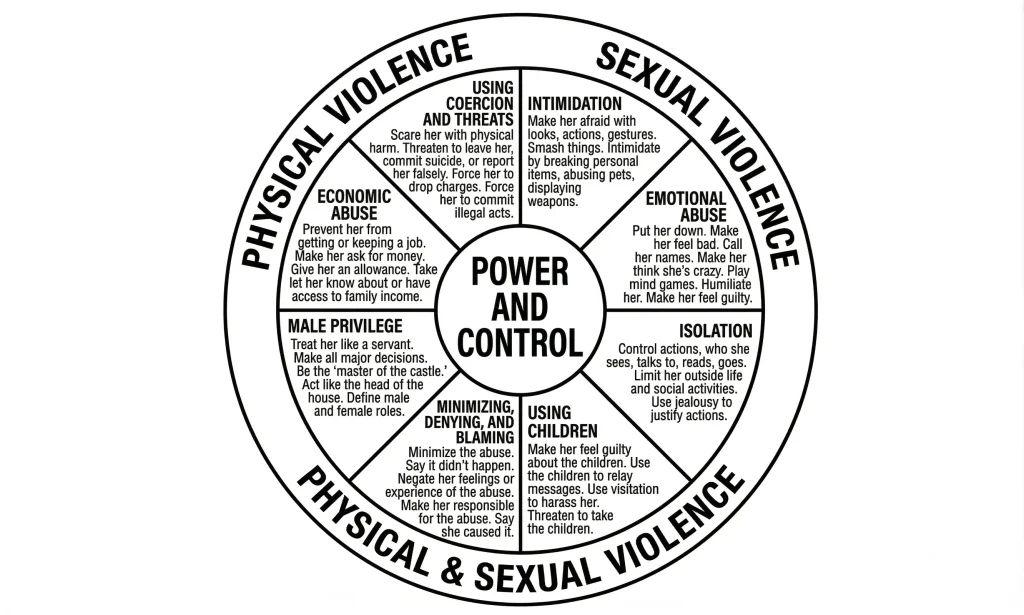
Remember that anyone can be a victim or accused of domestic violence, regardless of identity. Domestic violence includes physical, mental, financial, or sexual abuse toward a partner or household member, seeking control over the victim. Incidents often escalate in severity and can result in serious injury or death.
Jail Consequences:
If you are accused or arrested for domestic violence in Los Angeles, you could face time in county jail. Courts typically impose a minimum of 30 days in county jail for a first domestic violence offense, and some judges may require up to 90 days. Severe or felony charges, major criminal domestic violence cases, can result in 16 months to 3 years in state prison. Because public protection is prioritized in domestic violence cases, house arrest may not be allowed. It is crucial to avoid jail to protect your employment and freedom.
With experience, the criminal defense attorneys at Progresso Legal Group have achieved good results in many similar cases and have been able to negotiate non-custodial sentences that allow you to keep your job.
It Is Important to Recognize the Signs of Domestic Violence
- Does your partner humiliate you?
- Minimize your achievements?
- Prevent you from making personal decisions?
- Use intimidation against you?
- Verbally abuse you?
- Control you?
- Use drugs or alcohol to justify their behavior?
- Blame you for their conduct?
- Do you change to avoid conflict?
- Always comply with their wishes out of fear of their reaction?
- Pressure you into sex or sexually abuse you?
- Make you feel trapped?
- Threaten to abandon you to “teach you a lesson”?
- Make you afraid of how they may react?
- Justify their behavior to others, believing you could change them?
- Threaten to end the relationship if you act or report their behavior?
- Take your money or control the finances?
If you recognize these behaviors, it is crucial to speak to someone to help resolve your situation. WITHOUT HELP, THE ABUSE WILL CONTINUE. Asking for help is a brave step. Remember that no one deserves to be abused, it is not your fault, and you are not alone. Do not worry about threats to your immigration status, not having a visa, or not speaking English; you have rights, and there are options and resources available in your language.
If someone accuses you and requests a restraining order against you in family court, it is crucial to carefully read the documents you were served. It is also highly recommended to consult an attorney in your jurisdiction who has experience with restraining orders.
A judge can issue a restraining order to protect someone, their children, property, or pets. Once a judge grants a restraining order, the police may be called to enforce it. It may last up to 5 years and can be renewed during the last 6 months before the restraining order expires.
A Domestic Violence Restraining Order May Include the Following Types of Orders:
- No contact with the victim and protected persons (Family, Children)
- No harassment, stalking, threats, or harm to those protected by the order
- Maintain a certain distance
- Move out of a shared home with the protected person
- No possession of firearms or ammunition
- Pay spousal support if married
- Pay child support if you have children in common
- The judge may also make decisions about child custody if you have children in common
- There are many other ways a domestic violence restraining order can protect someone.
Physical and sexual assaults, as well as threats, are clear indicators of domestic violence, allowing others to recognize that there is a problem. However, abuse can extend further through additional abusive behaviors that, combined with physical violence, create an environment of fear and control by the abuser over the victim.
It is crucial to understand that any form of abuse — emotional, psychological, financial, physical, or sexual — is part of a pattern of power and control. This pattern of abuse is often difficult to identify but is essential to understanding the dynamics of an abusive relationship.
Emotional Abuse: For example, may manifest through constant criticism, belittling the person’s abilities, isolating them from friends and family, and controlling the victim’s movements and decisions.
Psychological Abuse: Includes intimidation, threats of self-harm or harm to others, and coercion to isolate from social and work environments.
Financial Abuse: Seeks to make the victim economically dependent by controlling resources and limiting access to money, education, or employment.
Physical Abuse: Includes any act intended to inflict pain or injury, such as hitting, pushing, or using force in sexual relations.
Physical abuse is not necessary to obtain an order; threatening behavior is enough. A gun owner subject to an order will likely be required to surrender their firearms.
Orders may require someone to leave a shared home and may include mandatory classes or treatments such as anger management. They generally last up to five years but may be extended if the protected party still feels threatened.
Violating an Order Can Lead to Arrest and Jail: They are obtained by filling out paperwork in court or through an attorney, describing the danger of the situation.
If Someone Tries to Obtain an Order Against You: Follow the court’s instructions and contest it at the hearing. The consequences of an order can vary from visitation restrictions to loss of rights. The required proof is “Preponderance of the Evidence” for domestic violence and “Clear and Convincing Evidence” for civil harassment.

It Is Recommended to Have an Attorney Whether You Are the Petitioner or Respondent
Violating California Penal Code Section 273.6(a) by not complying with an order can result in fines, jail, and a prohibition on possessing firearms. California offers three Levels of Protection: Emergency Protective Order (EPO), Temporary Restraining Order (TRO), and Permanent Restraining Order (PRO).
If you are the target of an order, contacting an experienced attorney in your area is crucial for an adequate defense of your case.
It is essential for victims to know that they are not alone and that the abuse is not their fault. There are resources and support organizations available to help those suffering from domestic abuse. Protecting yourself and your family is the most crucial aspect, and each case is unique. Seeking professional advice and support can be an important step toward recovery and safety.
If you have been served with domestic violence-related forms, this indicates that the judge has issued a temporary restraining order against you. Judges often grant these temporary orders to protect all parties involved, giving them the opportunity to appear in court, present their arguments, and determine whether the order will be made permanent, how long it will remain in effect, or whether it will be dismissed if the judge decides not to proceed with the case. It is imperative that you follow all instructions stated in the domestic violence forms. Otherwise, you could face arrest and be charged with a crime.
You will be assigned a date to appear in family court, which will be specified in the domestic violence forms. It is vital that you attend this hearing if you disagree with the restraining order. On that date, a judge will decide whether to issue a restraining order against you, which could last up to five years.
At Progresso Legal Group, we are here to help you, whether to respond to a restraining order or to obtain one according to your needs. Our goal is to explain the process and accompany you at every step, ensuring that you understand your options to “respond” and prepare adequately for your case. “Responding” means informing the judge of your agreement or disagreement with the restraining order request. Although it is not mandatory to have an attorney for this process, if you decide to have one, you will need to hire them.
Hiring an attorney specializing in restraining orders in Los Angeles County is essential due to the complexity of handling any legal case without professional guidance. For an average resident of Los Angeles County without practical experience in the family law system, facing a restraining order case presents enormous challenges. This applies both to victims of domestic violence seeking a restraining order and to those who have been falsely accused and need to defend themselves against one.
Our legal team has the experience and can provide assistance tailored to the specific needs and concerns of your case. In general, domestic violence cases lead to additional proceedings in family court and criminal processes against the party accused of committing domestic violence. A parent who commits domestic violence will likely lose all custody or visitation rights they could have secured through divorce or child custody disputes. Moreover, false accusations, if not handled properly, can have similar results, causing a falsely accused parent to lose access to their children because of a lie.
Each domestic violence case in the City and County of Los Angeles is unique, and it is not always simple to determine the best approach for such a complicated case. That is why, at Progresso Legal Group, our primary interest is to serve families and protect their well-being. We understand that a domestic violence case can be prolonged and leave scars not only on the victim but also on their children. We are dedicated to learning as much as possible about each client we represent, recognizing that each person faces different challenges and opportunities in their family legal proceedings, and we strive to reduce uncertainty for our clients as much as possible.
Common Questions About the Legal Implications of Domestic Violence
What does domestic abuse or violence in the home mean?
Es un patrón de comportamiento abusivo en cualquier relación para controlar a la pareja, incluyendo actos físicos, sexuales, emocionales, económicos o psicológicos.
Who can be considered a victim of domestic violence?
Anyone regardless of race, age, sexual orientation, religion, social class, or gender.
Can children be victims of domestic violence?
Yes, both children and other family or household members can be affected.
How does abuse or domestic violence manifest?
As a pattern of abusive conduct, including physical, emotional, financial, or sexual violence.
Is domestic violence only physical?
No, domestic violence can also be emotional, psychological, financial, or sexual.
What should I do if I suffer from abuse or domestic violence?
Talk to someone you trust and seek professional help; abuse will persist without intervention.
Does anyone deserve abuse or domestic violence under any circumstances?
No, no one deserves abuse. It is not your fault.
What constitutes emotional abuse?
Includes constant criticism, belittling, isolation from friends and family, and control over the partner’s life.
What is psychological abuse?
Acts that instill fear through intimidation, threats of self-harm or harm to others, and emotional manipulation.
What does financial abuse and domestic violence imply?
Absolute control over financial resources, limiting access to money and employment or educational opportunities.
What is physical abuse in domestic violence?
Actions seeking to cause pain or injury, such as hitting, burning, or use of physical force.
What is sexual abuse in domestic violence?
Forcing the partner to participate in sexual acts without consent.
What is criminal harassment?
Comportamiento que busca acosar o atemorizar sin propósito legítimo.
How can I help a victim of domestic violence?
By listening, believing their experience, and encouraging them to seek professional help.
How to report domestic violence?
By contacting the police or specialized domestic violence hotlines.
Is domestic violence only between partners?
No, it can also occur between other household members, including children and family members.
At Progresso Legal Group, our commitment is to assist you, whether you need to respond to a restraining order or request one for your protection. We focus on clarifying the procedure and guiding you step by step, ensuring you understand all your options to “respond” and prepare effectively for your situation. “Responding” means telling the judge whether you agree or disagree with the issuance of the restraining order. Call us — the consultation is free. Let us help you!
Other Related Topics:
Restraining Orders
Immigration, Criminal Defense, and Family Lawyers
WE HAVE BEEN SERVING HISPANIC FAMILIES WITH THEIR LEGAL PROCESSES FOR MORE THAN 25 YEARS
Contact Our Attorneys
Criminal Defense | Immigration | Family